
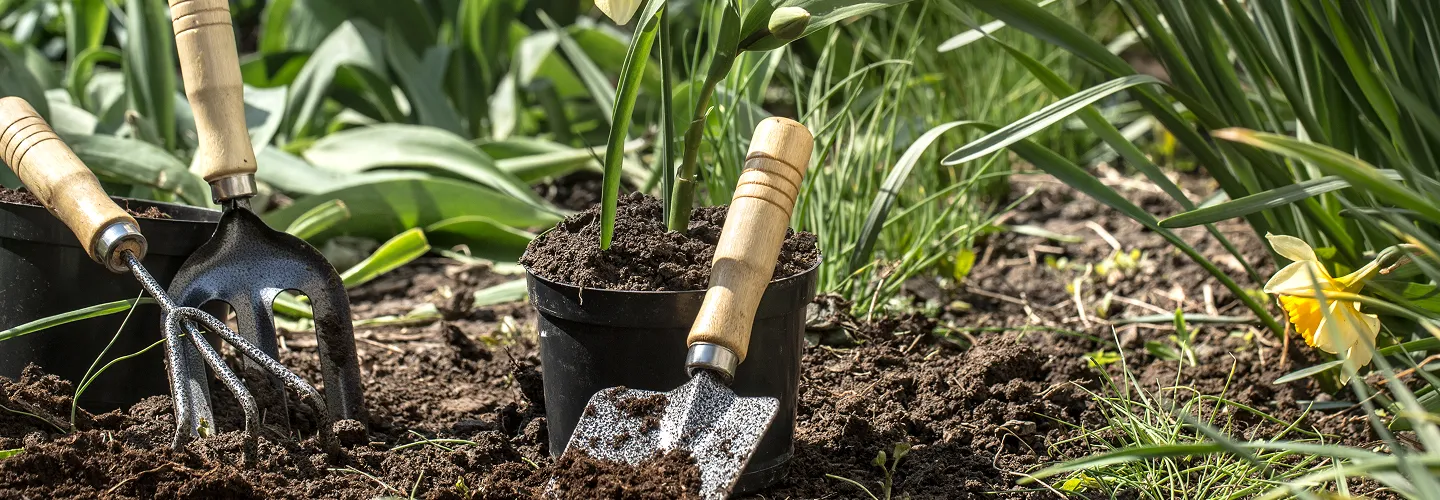
Olmos Park Flower Planting Services
Choose our flower planting services for vibrant, healthy blooms that enhance your curb appeal and thrive in Olmos Park’s unique climate—our experienced team ensures every garden is tailored to your vision and maintained for lasting beauty.
Get a Free QuoteOur Olmos Park Landscaping & Yard Care Services
When to Schedule Flower Planting in Olmos Park, Texas – Seasonal Guide
Flower planting in Olmos Park, Texas, is best scheduled with careful attention to the region’s unique climate and landscape features. The optimal planting windows typically fall in early spring (late February to early April) and again in early fall (late September to October), when temperatures are moderate and rainfall is more predictable. These periods allow new plantings to establish strong root systems before the intense summer heat or occasional winter chills set in.
Local factors such as the proximity to the San Antonio River, the mature tree canopies in neighborhoods like Alameda Circle, and the well-drained, alkaline soils common to the area all play a role in determining the best time for planting. It’s also important to consider Olmos Park’s average last frost date, which usually occurs in early March, and the potential for drought conditions during late summer. For more detailed climate data and municipal guidelines, consult the official city resources.
Local Factors to Consider for Flower Planting in Olmos Park
- Tree density and shade coverage, especially in established neighborhoods
- Soil type and drainage, which can vary between river-adjacent and upland areas
- Seasonal precipitation patterns and drought risk
- Terrain and elevation changes near landmarks like Olmos Basin Park
- Municipal watering restrictions and planting ordinances
Benefits of Flower Planting in Olmos Park
Expert Local Knowledge
Customized Landscape Designs
Seasonal Plant Selection
Enhanced Curb Appeal
Eco-Friendly Practices
Reliable Maintenance Services
Olmos Park Flower Planting Types

Seasonal Annuals
-
Perennial Flower Beds
-
Native Wildflower Gardens
-
Shade-Loving Plantings
-
Pollinator-Friendly Flowers
-
Drought-Tolerant Blooms
-
Container Flower Arrangements
Our Flower Planting Process
Site Evaluation
Soil Preparation
Plant Selection
Careful Planting
Watering and Mulching
Why Choose Olmos Park Landscape Services
-
Olmos Park Homeowners Trust Us
-
Expert Lawn Maintenance
-
Reliable Scheduling
-
Competitive Pricing
-
Professional Team
-
Satisfaction Guarantee
-
Personalized Service
Soil Series and Drainage Considerations for Flower Planting in Olmos Park
Flower planting in Olmos Park requires careful attention to the city’s predominant soil series, which include Houston Black clay and Branyon clay loam, as identified by the USDA Web Soil Survey. These soils are characterized by high clay content, moderate to poor drainage, and a pH typically ranging from 7.5 to 8.2. For optimal flower establishment, it is recommended to incorporate 2-3 inches of compost tilled to a 6-inch depth and to conduct a soil test through Texas A&M AgriLife Extension (typical cost: $15-25). Key soil amendment steps include:
- Lime application only if pH is below 6.0 (rare in Olmos Park)
- Sulfur application for pH above 7.5
- Compost incorporation for organic matter improvement Proper drainage is essential to prevent root rot, especially in low-lying areas. Raised beds or French drains may be necessary for sites with persistent standing water.
Seasonal Timing and Climate Zone Guidance for Olmos Park Flower Planting
Olmos Park is located in USDA Hardiness Zone 9a, with average annual minimum temperatures of 20-25°F. The optimal window for planting most annual and perennial flowers is from March 1 to April 15, when soil temperatures reach 55-65°F. Fall planting of perennials is best completed between October 1 and November 15, allowing root establishment before winter. The National Weather Service San Antonio Office provides up-to-date soil temperature and precipitation forecasts. Timing recommendations include:
- Spring planting: March 1 – April 15 (soil temp 55-65°F)
- Fall planting: October 1 – November 15
- Avoid planting June-August due to heat stress
- Watering restrictions may apply during summer drought periods Monitoring local weather and soil conditions is essential for successful establishment and compliance with municipal watering ordinances.
Native and Adaptive Flower Species Selection for Olmos Park Landscapes
Selecting flower species for Olmos Park should prioritize drought tolerance, heat resistance, and adaptability to alkaline clay soils. Recommended species include:
- Full sun: Black-eyed Susan (Rudbeckia hirta), Mexican bush sage (Salvia leucantha), lantana (Lantana camara)
- Partial shade: Turk’s cap (Malvaviscus arboreus), columbine (Aquilegia chrysantha), coral bells (Heuchera spp.)
- Deer resistant: Autumn sage (Salvia greggii), Russian sage (Perovskia atriplicifolia)
- Native options: Winecup (Callirhoe involucrata), Texas bluebonnet (Lupinus texensis) Spacing should be 12-18 inches for annuals and 18-24 inches for perennials to ensure proper air circulation and growth. Consult Texas A&M AgriLife Extension for detailed plant lists and diagnostic support.
Municipal Coordination and Compliance for Flower Planting Projects in Olmos Park
All flower planting activities in Olmos Park must comply with local ordinances regarding landscape maintenance, water use, and right-of-way plantings. The city enforces equipment operation hours as follows:
- Monday-Friday: 7:00 AM - 7:00 PM
- Saturday: 8:00 AM - 6:00 PM
- Sunday and holidays: Prohibited Planting within public rights-of-way or near sidewalks may require review by the zoning office. Debris from planting projects must be disposed of in accordance with city guidelines—yard waste collection occurs every Thursday, April through November, using biodegradable bags or 32-gallon containers. For regulatory guidance and permit requirements, coordinate with:
San Antonio Public Works Department
114 W. Commerce Street, San Antonio, TX 78205
Phone: (210) 207-8022
Official Website: San Antonio Public Works Department
Environmental Compliance: Stormwater, Buffer Zones, and State Regulations in Olmos Park
Flower planting in Olmos Park must adhere to stormwater management requirements under the Texas Water Code and the Clean Water Act. The city’s MS4 permit prohibits the disposal of soil, mulch, or plant debris into storm drains. Maintain a 25-foot buffer from any wetlands or drainage channels, and avoid fertilizer application within 50 feet of water bodies. Key compliance steps include:
- No dumping of planting debris in storm drains
- Maintain 25-foot no-disturbance zone from wetlands
- Use only approved organic mulches in buffer areas For further guidance, consult:
Texas Commission on Environmental Quality (TCEQ)
12100 Park 35 Circle, Austin, TX 78753
Phone: (512) 239-1000
Official Website: Texas Commission on Environmental Quality
What Neighborhoods Do We Serve Throughout Olmos Park, TX?
- Olmos Park Estates: Features mature tree canopies and heavy clay soils, requiring raised beds and careful drainage management for successful flower planting.
- Park Hill: Characterized by gently sloping lots and moderate soil compaction, with frequent irrigation restrictions during summer months.
- Shook Avenue District: Contains historic homes with established landscapes and narrow setbacks, necessitating compliance with local planting ordinances and right-of-way guidelines.
- Stanford Drive Area: Noted for proximity to Olmos Basin Park and seasonal flooding risks, making soil amendment and buffer zone compliance critical.
- East Olmos Park: Includes newer developments with mixed soil fill and variable drainage, requiring site-specific soil testing and amendment.
- McCullough Corridor: High-traffic area with limited planting space and exposure to urban runoff, demanding careful species selection and stormwater compliance.
- West Olmos Park: Features larger lots and mature landscaping, with opportunities for native wildflower meadows and pollinator-friendly plantings.