
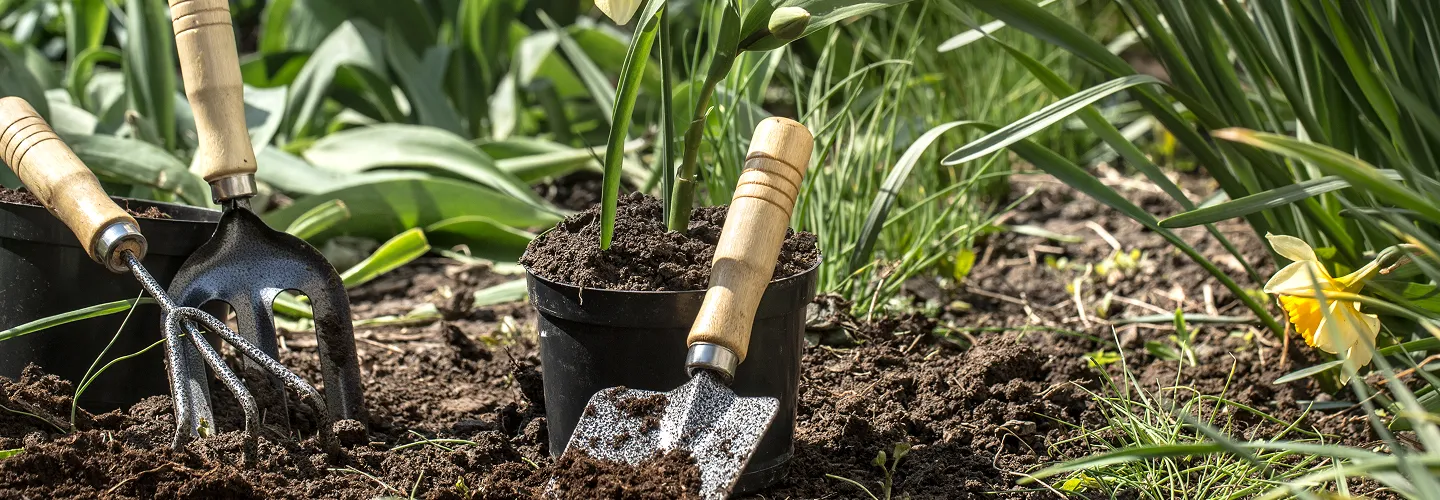
Olmos Park Fertilizing Lawn Services
Choose our fertilizing lawn services for lush, healthy grass that thrives year-round—our expert team uses premium products and proven techniques to give your yard the nutrients it needs for vibrant growth and lasting beauty.
Get a Free QuoteOur Olmos Park Landscaping & Yard Care Services
When to Schedule Fertilizing Lawn in Olmos Park, Texas – Seasonal Guide
Fertilizing your lawn in Olmos Park, Texas, requires careful timing to ensure lush, healthy grass throughout the year. The best periods for fertilization are typically early spring and early fall, when temperatures are moderate and grass growth is most vigorous. In Olmos Park, neighborhoods near Alameda Circle and the shaded streets around Contour Drive often experience unique microclimates, so it’s important to consider local conditions. The region’s warm, humid summers and mild winters mean that frost is rare, but occasional cold snaps can still impact the timing of your lawn care routine.
Local environmental factors such as soil composition—often a mix of clay and loam—affect nutrient absorption, while the prevalence of mature oak and pecan trees in areas like The Quarry and Shook Avenue can create dense shade, influencing how and when to fertilize. Additionally, drought risk during late summer and municipal watering restrictions may require adjustments to your fertilization schedule. For more information on local guidelines and best practices, visit the Sudbury municipal resource.
Local Factors to Consider for Fertilizing Lawn in Olmos Park
- Tree density and shade coverage, especially in established neighborhoods
- Soil type and drainage, which can vary between properties
- Seasonal precipitation patterns and drought risk
- Proximity to landmarks like Olmos Basin Park, which may influence microclimates
- Municipal restrictions on watering and fertilizer use
- Terrain variations, such as sloped lawns or low-lying areas prone to runoff
Benefits of Fertilizing Lawn in Olmos Park
Enhanced Lawn Health
Improved Grass Color
Weed and Pest Resistance
Thicker Turf Growth
Seasonal Nutrient Balance
Professional Local Expertise
Olmos Park Fertilizing Lawn Types

Bermuda Grass Fertilization
-
St. Augustine Grass Fertilization
-
Zoysia Grass Fertilization
-
Buffalo Grass Fertilization
-
Fescue Grass Fertilization
-
Ryegrass Fertilization
-
Centipede Grass Fertilization
Our Fertilizing Lawn Process
Soil Analysis
Fertilizer Selection
Application Scheduling
Even Fertilizer Distribution
Post-Application Inspection
Why Choose Olmos Park Landscape Services
-
Olmos Park Homeowners Trust Us
-
Expert Lawn Maintenance
-
Reliable Scheduling
-
Competitive Pricing
-
Professional Team
-
Satisfaction Guarantee
-
Personalized Service
Soil Series and Fertilizer Application Challenges in Olmos Park’s Urban Landscape
Fertilizing lawns in Olmos Park requires careful consideration of the city’s predominant soil series, including Houston Black clay and Lewisville silty clay loam, as identified by the USDA Web Soil Survey. These soils are characterized by high clay content, moderate to poor drainage, and a pH range typically between 7.2 and 8.0. For optimal nutrient uptake, soil testing is recommended every 2-3 years, with amendments such as sulfur for pH above 7.5 and compost incorporation at 2-3 inches tilled to a 6-inch depth. Fertilizer should be applied at a rate of 2-3 lbs nitrogen per 1,000 sq ft annually, split between spring and fall. Residents can access soil testing and amendment guidance through Texas A&M AgriLife Extension. Proper soil management supports healthy turf and reduces runoff risk to local waterways.
Municipal Fertilizer Ordinances and Public Works Coordination in Olmos Park
Olmos Park enforces municipal ordinances to regulate fertilizer use and protect local water quality. Application of fertilizer is prohibited within 50 feet of the San Antonio River and other water bodies, and a 25-foot no-disturbance buffer is required near wetlands. Equipment operation for lawn care is permitted:
- Monday-Friday: 7:00 AM - 7:00 PM
- Saturday: 8:00 AM - 6:00 PM
- Sunday and holidays: Prohibited All fertilizer containers must be stored securely to prevent spills, and clippings or fertilizer residue must not enter storm drains, in compliance with the city’s MS4 permit under the Clean Water Act. For ordinance details and collection schedules, coordinate with:
San Antonio Public Works Department
114 W. Commerce Street, San Antonio, TX 78205
Phone: (210) 207-8022
Official Website: San Antonio Public Works Department
Seasonal Fertilization Timing and Climate Considerations for Olmos Park Lawns
Olmos Park is located in USDA Hardiness Zone 9a, with average annual minimum temperatures of 20-25°F and a long growing season. The optimal windows for fertilizing cool-season grasses are early May (soil temperature 55°F) and late September, while warm-season grasses benefit from applications in late April and again in mid-September. Avoid fertilization from June through August due to heat stress and potential runoff during summer storms. Monitor local weather forecasts through the National Weather Service San Antonio Office to avoid applying fertilizer before heavy rainfall. Key timing guidelines include:
- Spring fertilization: April 15 - May 15
- Fall fertilization: September 15 - October 15
- Avoid: June-August (heat stress period) Proper timing maximizes nutrient uptake and minimizes environmental impact.
Environmental Compliance: State and Federal Fertilizer Regulations Affecting Olmos Park
Fertilizer application in Olmos Park must comply with both state and federal environmental regulations. The Texas Water Code and Texas Commission on Environmental Quality (TCEQ) require that no fertilizer or lawn chemicals be applied within 50 feet of water bodies, and prohibit any discharge of fertilizer into stormwater systems under the MS4 permit. The Clean Water Act further mandates protection of surface waters from nutrient pollution. Residents and contractors should:
- Maintain 25-foot buffer zones from wetlands
- Use slow-release or phosphorus-free fertilizers where possible
- Prevent clippings and fertilizer from entering storm drains For technical guidance, consult:
Texas Commission on Environmental Quality
12100 Park 35 Circle, Austin, TX 78753
Phone: (512) 239-1000
Official Website: Texas Commission on Environmental Quality
What Neighborhoods Do We Serve Throughout Olmos Park, TX?
- Olmos Park Estates: Features mature tree canopies and compacted clay soils, requiring careful fertilizer timing and runoff management due to proximity to the San Antonio River.
- Park Hill: Characterized by larger lots and moderate slopes, with drainage patterns that necessitate buffer zones near stormwater inlets and careful application to prevent nutrient runoff.
- Shook Avenue District: Contains historic homes with established lawns and older infrastructure, where soil compaction and narrow access points may affect fertilizer distribution and equipment use.
- Stanford Drive Area: Includes properties adjacent to Olmos Basin Park, requiring strict adherence to buffer requirements and coordination with city ordinances to protect sensitive parkland and wetlands.
- East Olmos Park: Noted for smaller lots and higher building density, where precise fertilizer application and secure storage are essential to prevent runoff into neighboring properties and storm drains.
- West Olmos Park: Features a mix of residential and commercial properties, with variable soil conditions and increased impervious surfaces, necessitating tailored fertilization strategies and compliance with municipal collection schedules.